In Florida, helping seniors with technology is becoming more than a good idea. It is essential. As the state with one of the highest senior populations, technology helps older adults stay connected, safe, and independent. Yet even with programs across the Sunshine State, something is still missing. Many seniors are left out, not because they cannot learn, but because the support systems around them often stop too soon or fail to meet real everyday needs. This gap is especially clear for those who would benefit from technology support for isolated seniors who feel overwhelmed by digital systems.
At Tech Assist For Seniors, we see this gap every day. From Bradenton to Fort Myers, older adults are eager to learn, but they need consistent, patient, and relatable help that fits their lifestyle. This article takes a close look at what is working, what is being overlooked, and how Florida can do better at helping seniors with technology.
What Florida Is Doing Right
Across Florida, many organizations already offer digital literacy programs for seniors. They help bridge the digital divide by teaching older adults how to use smartphones, tablets, and computers safely. A few examples include:
- SeniorTech (South Florida): Offers free, personalized help with devices like tablets, phones, and laptops through student volunteers.
- SoFIA (South Florida Institute on Aging): Hosts weekly technology classes for adults over 60, focused on building confidence and practical skills.
- SeniorNet (Fort Myers): Provides volunteer-run computer training and community learning for older adults.
- UFCF Senior Computer Literacy Program (Central Florida): Delivers community-based computer lessons for residents 60 and older.
- Florida Public Libraries: Many county libraries include digital literacy and one-on-one computer help sessions. See statewide aging resources at the Florida Department of Elder Affairs.
These efforts show progress. But too often, training ends after a few sessions, and seniors are left on their own again. To make lasting change, we need to focus on what is being missed.
What Is Missing in Senior Tech Support
1. Ongoing Help and Confidence Building
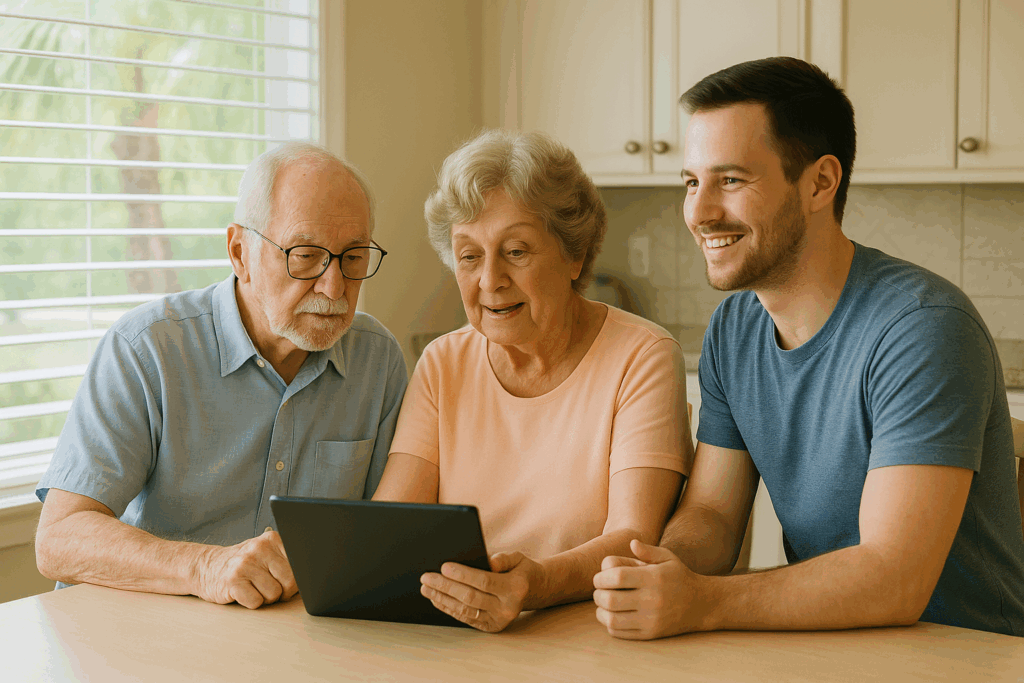
One of the biggest gaps is follow up. Seniors may take a class but lose confidence once it is over. Without someone to call for small questions or refreshers, technology quickly feels overwhelming again. Regular check ins or “tech tune up” visits can keep seniors engaged. For one on one support, see our Computer Help for Seniors services.
2. Making Technology Relevant to Daily Life
Many classes teach the basics, but they do not connect those lessons to real life uses. Seniors are more motivated when learning how to refill prescriptions online, set up telehealth, or join a family video call. If calling is easier, we can set up video calling and voice assistants that simplify the process.
3. Addressing Fear and Frustration
For many older adults, the hardest part is not the steps. It is overcoming fear. The best programs build trust, offer patience, and create a safe space to ask questions. Our smartphone and tablet support focuses on calm, step by step coaching so learning feels comfortable.
4. Reaching Rural and Underserved Areas
While South Florida has many resources, rural counties in the Panhandle and Central Florida often go without. Many seniors lack reliable internet or transportation. Mobile “tech buses,” library outreach, and church partnerships can help. For home visits in Manatee County, see our device and printer setup options.
5. Language and Accessibility Barriers
Florida is culturally diverse. Many seniors speak Spanish or Haitian Creole. Yet much training is offered only in English. Offering bilingual classes, voice based learning, and large print materials would help more residents. We also teach accessibility features like Apple Assistive Access and Android TalkBack during general tech help sessions.
6. Integrating Scam and Safety Education
Helping seniors with technology also means protection from scams and identity theft. Every course should include strong safety basics. A good starting point is AARP’s Scam and Fraud Resource Center, paired with local, hands on coaching. We cover passwords, phishing, and safe browsing in all sessions.
How Florida Can Close the Gap
Improving digital literacy among seniors in Florida requires teamwork between families, communities, and local organizations. Here are practical steps that make a real impact:
- Layer support: Combine classroom learning with ongoing one on one help, phone support, or local “tech help days.”
- Train peer mentors: Seniors often learn best from other seniors. Community mentors can offer friendly, patient guidance.
- Leverage trusted spaces: Host classes in churches, senior centers, libraries, and clinics where older adults already feel comfortable.
- Promote accessibility: Teach voice assistants, captioning, and simplified modes during smart home and Alexa sessions.
- Expand statewide programs: Coordinate with the Florida Department of Elder Affairs and local agencies so every county has a baseline offering.
- Measure progress: Track participation, confidence, and continued device use to refine and grow these efforts.
Why It Matters More Than Ever
As more healthcare, banking, and communication services move online, digital literacy is no longer optional. Seniors who cannot use technology risk isolation, missed appointments, or financial loss. With the right support, technology opens doors to independence, social connection, and better health management.
Florida can lead by focusing on inclusion, accessibility, and compassion. Every county, from Miami Dade to Manatee, has older adults who want to learn. What is missing is not motivation. It is consistent, human centered support.
Final Thoughts
Helping seniors with technology in Florida is about more than learning a phone or tablet. It is about quality of life, safety, and connection. The best results happen when learning feels personal, patient, and practical.
If you or a loved one in Florida needs one on one help with devices, apps, or online safety, Tech Assist For Seniors is here to help. We work directly with older adults, caregivers, and retirees in your home with patient, step by step guidance. Together, we can make technology simple, safe, and enjoyable.